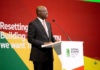


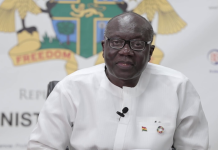









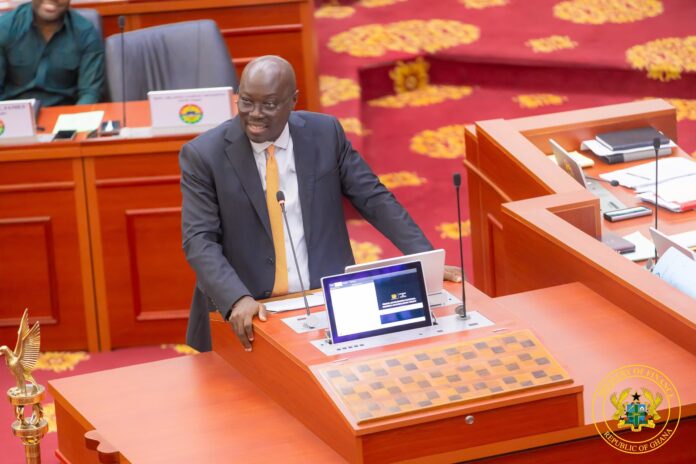

Finance Minister Dr. Cassiel Ato Forson has declared that Ghana does not anticipate returning to the International Monetary Fund (IMF) for another financial bailout in the foreseeable future. Addressing Parliament on Thursday, May 28, Dr. Forson emphasized that the country has fundamentally transformed its relationship with the Fund, successfully transitioning from a recipient of emergency financial support to an equal policy partner.
Quoting President John Dramani Mahama, the Finance Minister expressed a strong desire that the recently concluded program—which marks Ghana’s 17th engagement with the IMF—will be the nation’s absolute last.
“It is my hope that this will be the very last time we ever go for an IMF bailout programme,” Dr. Forson quoted the President as saying, before adding his own definitive stance: “I repeat, no further IMF financial bailout is currently required in the foreseeable future.”
This confident posture is anchored in Ghana’s successful completion of the final review of its current IMF-supported Extended Credit Facility (ECF) program, which is now pending formal approval by the IMF Executive Board. Instead of seeking another credit facility, Ghana will transition to a Policy Coordination Instrument (PCI). Unlike traditional bailout programs, the PCI does not disburse financial assistance; rather, it functions as a framework for economic reforms, policy monitoring, and guidance.
Dr. Forson noted that this structural shift signals a profound change in Ghana’s macroeconomic standing. By moving to the PCI, Ghana is signaling to global markets that it no longer requires the IMF’s financial life support, even though it will continue to benefit from the Fund’s technical oversight.
“We have evolved from the position of supplicant to one of a partner with the International Monetary Fund,” he told the lawmakers.
The Finance Minister attributed the country’s recent economic progress to the strict fiscal discipline and rigorous reforms implemented to stabilize the economy and restore market confidence. Looking ahead, he stressed that the government’s primary focus is to maintain this hard-won stability, accelerate economic growth, and ensure the country avoids repeating the missteps that triggered past economic crises.
“Fiscal prudence and discipline always deliver results,” Dr. Forson remarked.
Ultimately, the government views this transition as a defining milestone in Ghana’s economic history. It marks a strategic pivot away from the cycle of reliance on international bailout packages, replacing it with a renewed emphasis on long-term sustainability, self-sufficiency, and the cultivation of robust investor confidence.