














…as Feed Costs Squeeze Farmers
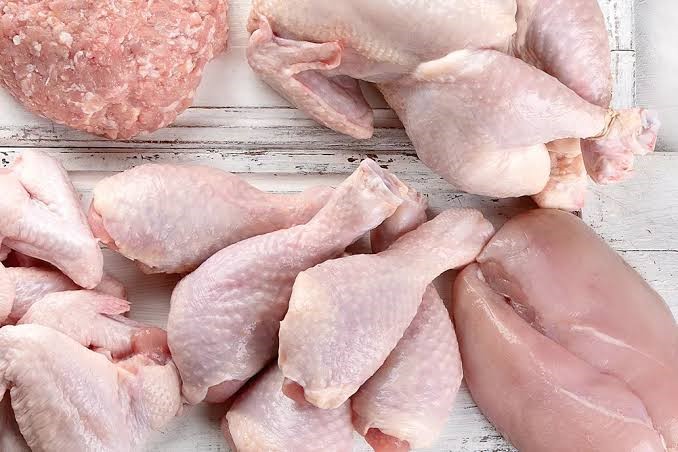
Poultry prices in Ghana could increase by at least 15 per cent ahead of Christmas as rising feed costs and expensive imported production inputs continue to squeeze farmers’ margins, the Greater Accra Poultry Farmers Association has warned.
The anticipated increase could add to household food expenses during the festive season, when demand for poultry products traditionally rises.
Mohammed Ali, Chief Executive of the association, said escalating prices of maize, soya and other feed ingredients, alongside higher freight charges, were pushing up the cost of poultry production.
“Maybe not less than 15 per cent; we must see some price change,” he told Joy Business during an outreach programme in schools in Dansoman to mark World Egg Day.
Ali said the heavy reliance on imported ingredients had left local poultry farmers vulnerable to international price movements and rising transportation costs, making it increasingly difficult to maintain stable prices.
He urged the government to intensify support for domestic maize and soya production to reduce dependence on imported feed inputs and ease pressure on poultry prices.
“When we are able to have an abundance locally, the feed price will surely come down. But without them, we can’t do anything about poultry feed,” he said.

Egg price margins
Beyond rising production costs, the association raised concerns about the disparity between farm-gate prices and retail prices, particularly in the egg market.
Ali said a crate of eggs was selling at the farm gate for between GH¢40 and GH¢45, while some traders allegedly added as much as GH¢20 before selling to consumers.
He argued that retail prices should not exceed GH¢50 per crate, calling for stronger market oversight to ensure consumers benefit from prices offered by producers.
“We don’t expect an egg to go beyond 50 cedis. Take or leave,” he stressed.
The association called on the Ministry of Trade and Agribusiness to introduce measures to improve market discipline and address pricing practices it believes are widening the gap between producer and consumer prices.
The concerns highlight the commercial pressures facing the poultry value chain, where farmers must contend with rising input costs while consumers face potentially higher prices.
Greater support
Ali also called for the expansion of the government’s Nkokor Nkitinkiti initiative, arguing that greater support for larger-scale poultry farmers could boost production and improve market supply.
He said increasing domestic output would help strengthen the local poultry industry and potentially ease price pressures over time.
As part of its World Egg Day activities, the association visited five clusters of schools in Dansoman to educate pupils on the nutritional benefits of eggs.
Ali said the programme was intended to encourage children to make eggs part of their daily diets, highlighting their protein content and nutritional value.
According to him, the association distributed more than 100,000 eggs to schools during the exercise.
With Christmas approaching, the association’s warning places the cost of poultry production and the role of domestic feed supply at the centre of efforts to manage food prices and support local farmers.