













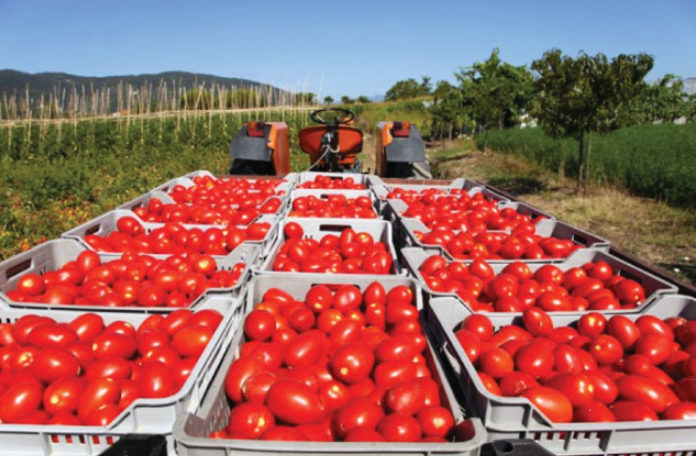

Ghana is losing a staggering GH¢5.7 billion annually due to its heavy reliance on tomato imports. The Chamber of Agribusiness Ghana (CAG) attributes this to several factors, including poor infrastructure, inadequate storage facilities, and limited support for local farmers.
The country’s fertile lands and extensive farmer base are not being utilized effectively, leading to seasonal shortages and massive imports, primarily from Burkina Faso. In fact, Ghana spends around $400 million annually on tomato imports, which is a significant strain on the country’s foreign exchange reserves.
The CAG is calling for urgent investments in cold storage, processing facilities, and buffer stock systems to bridge seasonal gaps and boost local production. This could help reduce post-harvest losses, which are estimated to be around $60 million annually.
Ghana’s tomato industry is facing significant challenges, resulting in an annual loss of GH¢5.7 billion ($600 million) due to heavy reliance on imports. The Chamber of Agribusiness Ghana (CAG) attributes this to inadequate infrastructure, including poor road networks, lack of cold storage facilities, and limited access to financing for farmers.
Key Challenges:
- Inadequate Infrastructure: Poor road networks and unreliable transportation systems hinder efficient movement of tomatoes from farms to markets.
- Limited Cold Storage: Lack of cold storage facilities leads to significant post-harvest losses, forcing farmers to sell at lower prices.
- Dependence on Imports: Ghana spends approximately $400 million annually on tomato imports, mainly from Burkina Faso.¹ ² ³
The CAG is calling for government intervention, including investments in cold storage, transportation infrastructure, and support for farmers to improve production and reduce losses. Would you like to know more about potential solutions or the impact of this issue on Ghana’s economy?