









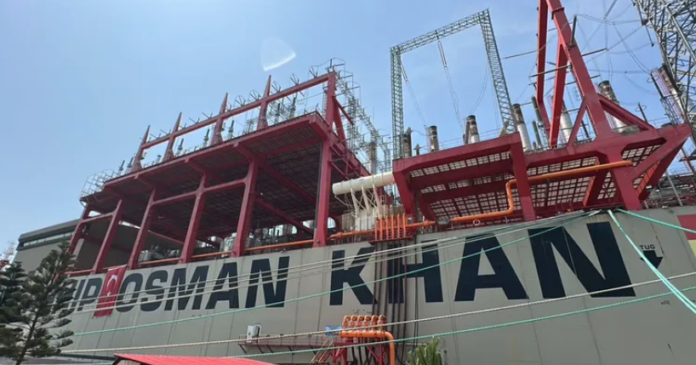

The government has unveiled plans to cut Ghana’s electricity generation costs by half and eliminate dependence on expensive emergency power plants by 2030 through a major expansion of state-owned thermal and renewable energy infrastructure.
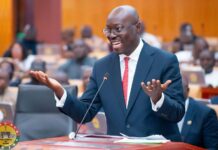
Finance Minister Dr Cassiel Ato Forson announced the initiative during the presentation of the 2027 Budget to Parliament on November 12, outlining plans to construct a 1,450-megawatt thermal power plant and a 600-megawatt solar facility supported by 2,000 megawatt-hours of battery storage.
The projects are expected to reduce the country’s reliance on independent power producers, lower electricity generation costs and ease the financial burden on taxpayers.
Thermal plant plan
According to the Finance Minister, the thermal facility will be developed at Kafodzidzi-Abrobeano in the Central Region under the leadership of Ghana Thermal Power Limited.
Construction is expected to begin in December 2026, with the first 600MW scheduled for completion by December 2028 and the remaining 850MW by December 2030.
The plant will require approximately 150 million standard cubic feet of additional natural gas daily from the Sankofa and Jubilee fields.
Solar and storage
Government also plans to develop a 600MW solar power facility with battery storage to strengthen renewable energy generation and improve electricity supply reliability.
Cost and arrears pressure
Dr Forson said the interventions were intended to address persistent financial challenges in the energy sector, which recorded a shortfall of approximately US$1.4 billion in 2025, while arrears owed to independent power producers and fuel suppliers reached about US$1.7 billion.
The government currently spends approximately US$1.4 billion annually to cover energy sector shortfalls.
Cheaper power target
The Finance Minister said the new infrastructure, alongside improvements in transmission and distribution, would help reduce electricity generation costs from approximately 16 US cents per kilowatt-hour to 8 cents or lower.
Budget support and meters
To support the reforms, government has earmarked GH¢13 billion in the 2027 Budget to address energy sector payment shortfalls, while committing US$500 million towards strengthening the national transmission network between 2027 and 2030.
The programme will also involve the distribution of two million prepaid electricity meters to reduce commercial and technical losses, as well as greater private-sector participation in electricity distribution by the end of 2027.
Nuclear readiness
Additionally, government plans to invest US$200 million in preparations for nuclear power development through a 24-month readiness programme beginning in January 2027.
Questions remain
Despite the ambitious targets, questions remain about the overall cost of the proposed thermal and solar facilities, the specific emergency power plants scheduled for retirement and the implementation timelines for the renewable energy project.
The Budget also does not clarify how the proposed 1,450MW thermal facility relates to an earlier 1,200MW state-owned thermal plant announced by President John Dramani Mahama.
Execution is key
The success of the programme will therefore depend on timely project execution, adequate financing and the government’s ability to resolve longstanding structural challenges in the energy sector.