











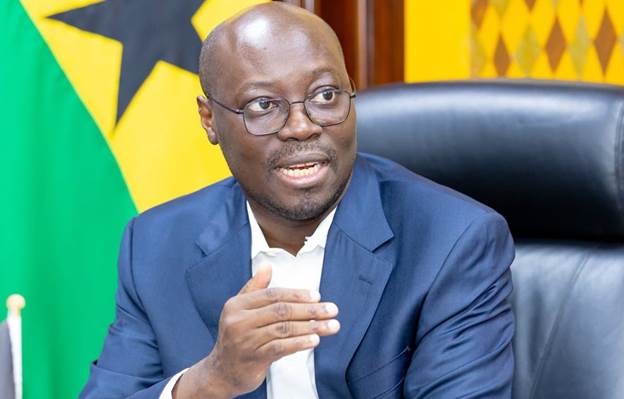

Ghana’s public finances are gaining breathing room as the proportion of national revenue used to service public debt has fallen below 20%, Finance Minister Dr Cassiel Ato Forson has announced.
The sharp reduction, from more than 50% previously, signals a significant easing of pressure on government cash flows and could create greater room for public investment and economic activity.
Dr Ato Forson said the lower debt-service burden is strengthening the government’s fiscal position by allowing a larger share of revenue to be directed towards productive expenditure instead of debt obligations.
“In the past, Ghana spent over 50 percent of its national revenue on servicing debt. This left less money for schools, hospitals, roads and other essential infrastructure,” the Finance Minister said in a Facebook post on Saturday, August 22.
“Today, I am proud to say that we have made significant progress. We now spend less than 20 percent of our revenue on servicing debt!”
From a business and investment perspective, the development could provide government with greater flexibility in allocating scarce public resources to infrastructure and other programmes capable of supporting economic growth.
The previous debt-service burden had placed substantial constraints on government spending, with more than half of national revenue being absorbed by debt obligations. This reduced the fiscal resources available for development expenditure and increased pressure on the broader economy.
The latest improvement forms part of government’s wider efforts to restore debt sustainability and strengthen fiscal management following years of elevated borrowing costs and debt-service pressures.
A lower debt-service ratio also provides government with additional fiscal space to manage its finances while maintaining spending on priority economic programmes.
Dr Ato Forson said the reduction demonstrates progress in efforts to rebuild Ghana’s fiscal position and create more sustainable conditions for economic recovery.
For businesses and investors, sustained improvement in the government’s debt dynamics could support greater macroeconomic stability, particularly if the gains are maintained alongside disciplined expenditure and revenue management.
The Finance Minister maintained that reducing the share of revenue absorbed by debt servicing is an important step towards redirecting public resources to areas that can drive Ghana’s long-term economic growth.