













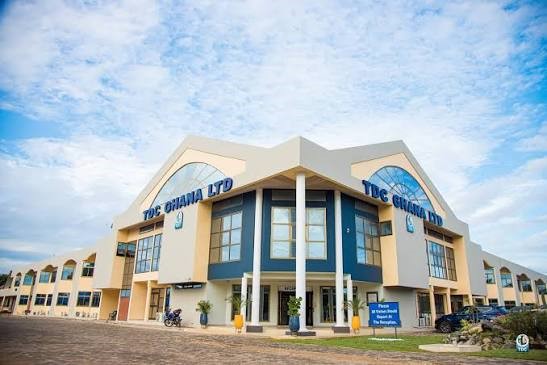

A series of procurement transactions at Tema Development Company (TDC) Ghana Limited has come under scrutiny following concerns raised over the handling of contracts, supplier selection, payment documentation and expenditure approvals.
The concerns touch on several transactions, including the reported procurement of a 150kVA generator without a formal contract, the selection of a consultant for a Community 24 property audit, the procurement of an Enterprise Resource Planning (ERP) system, computer purchases and the acquisition of four air-conditioners for the managing director’s official residence.
The issues raise questions about the adequacy of the company’s procurement controls and the extent to which decisions involving public resources were supported by the required documentation and approval processes.
However, the concerns remain allegations and questions requiring documentary verification. The available information does not establish that TDC or any named individual committed wrongdoing.
Generator deal
At the centre of the concerns is the reported procurement of a 150kVA generator allegedly undertaken without a formal contract.
The transaction raises several questions: How much did the generator cost? Which supplier provided it? What procurement method was used, and who initiated and authorised the purchase?
A particularly important issue is whether payment was made before a formal contract was executed and, if so, what documentation or approval supported the payment.
The existence of a purchase order, supplier invoice, contract documentation and payment records would help establish the sequence of events and whether the transaction followed the company’s procurement procedures.
The matter reportedly prompted the establishment of a committee of inquiry and a subsequent disciplinary committee. Their findings and recommendations could provide further insight into how the transaction was handled and whether any procedural failures were identified.
Yet, without access to the reports, it is not possible to establish what either committee concluded, whether responsibility was assigned to any officer, or whether disciplinary sanctions were recommended or imposed.
Obtaining the two reports would therefore be an important step towards determining whether the concerns were substantiated and what corrective action, if any, followed.
Community 24 audit
Another area requiring scrutiny is the procurement of a consultant for the Community 24 property audit.
The questions concern the firms that participated in the selection process, the criteria used to assess them and the recommendations contained in the procurement evaluation report.
There are also questions about whether the managing director expressed a preference for a particular firm and whether that firm was eventually awarded the contract.
A management preference, on its own, does not establish that procurement rules were breached. The central issue is whether the final selection was supported by the applicable procedures, evaluation criteria and required approvals.
The Entity Tender Committee’s decision and the procurement evaluation report would be crucial in assessing this.
A comparison of the committee’s decision with the evaluation team’s recommendations could help clarify whether the outcome was consistent with the documented assessment or whether there were material differences requiring explanation.
The contract value and the identities of the participating firms would also help establish the scale of the transaction and provide a clearer picture of the process.
Without these records, it would be premature to conclude that any firm received an improper advantage or that the selection process was irregular.
ERP system
The procurement of TDC’s Enterprise Resource Planning system presents another set of questions, particularly concerning fairness in the treatment of shortlisted bidders.
The issues include how many companies were shortlisted, whether all were given the opportunity to demonstrate their systems to management, and whether differences in the timing of presentations affected the process.
Questions have also been raised about whether the managing director expressed a preference for a particular ERP provider, whether such a preference was formally communicated to the procurement team, and whether the preferred company was eventually selected.
These questions matter because a competitive procurement process should be assessed against its established criteria and documented decisions, rather than assumptions about the preferences of individual officials.
The final evaluation scores, procurement approval records, Entity Tender Committee documents and any contract awarded would help establish how the successful bidder was chosen.
The records could also clarify whether all shortlisted firms received equal opportunities and whether the final decision followed the evaluation process.
At present, the available information does not establish that a bidder was favoured or that the ERP procurement breached applicable rules. The relevant documents are needed to determine whether the concerns have merit.
VAT invoices
The transactions involving an office container and the refurbishment of a boardroom raise questions about the handling of VAT documentation.
The concerns centre on whether the original invoices reflected the applicable VAT, whether the documentation was subsequently corrected or regularised, and whether payments were made before the required invoices were obtained.
These questions are significant because invoices and supporting tax documents form part of the financial records used to account for expenditure and demonstrate compliance with applicable requirements.
The timing of payments in relation to the provision of the required documentation would be particularly relevant.
Records from the suppliers, TDC’s Accounts Department and the Internal Audit Department could help establish whether the documentation was complete at the time of payment and whether any deficiencies were later identified and addressed.
The total value of the transactions would also help determine their financial significance.
Until the invoices, payment records and any internal audit findings are examined, it cannot be concluded that TDC suffered a financial loss or that the transactions involved deliberate wrongdoing.
Computer purchases
The procurement of computers raises a separate question about whether the transaction exceeded the managing director’s applicable expenditure approval threshold.
The issues include the total cost of the computers, the official who authorised the purchase, the supplier involved and the person who approved payment.
Questions have also been raised about the reported handing over of a TDC company cheque to the managing director and when the official supplier receipt was submitted to the Accounts Department.
The key issue is whether the transaction was authorised at the appropriate level and supported by the required procurement and accounting documents.
Establishing the approval threshold in force at the time, comparing it with the transaction’s value and examining the payment records would help determine whether the proper approval process was followed.
Any Internal Audit review could also clarify whether the purchase complied with the company’s financial controls.
Without those records, the allegation that the transaction exceeded the relevant approval limit remains unresolved.
Four air-conditioners
The reported procurement of four air-conditioners for the managing director’s or acting managing director’s official residence also requires clarification.
The questions concern the total cost, the supplier, the procurement method and the officers responsible for initiating and approving the expenditure.
There is also a need to establish whether the units were recorded as TDC assets and whether the company retains the relevant purchase orders, invoices and payment records.
The reported dispute or correction involving the wording of management minutes relating to the transaction raises an additional documentary question: what was originally recorded, what was subsequently changed, and why?
The minutes, together with the procurement and payment records, could help clarify the circumstances surrounding the purchase and whether the transaction was properly documented.
An Internal Audit report, if one exists, could provide further information on any issues identified.
The available information, however, does not establish that the purchase was unauthorised or that the air-conditioners were improperly acquired.
Across the transactions, a recurring issue is the need to examine primary records rather than rely solely on competing accounts of internal decisions.
Accountability questions
The questions raised place TDC’s procurement procedures and internal financial controls under scrutiny.
For a state-owned company, transparent procurement records and clear approval processes are important safeguards in ensuring that public resources are spent for their intended purposes.
The central test is whether the transactions were properly authorised, competitively assessed where required, supported by adequate documentation and subjected to appropriate oversight.