












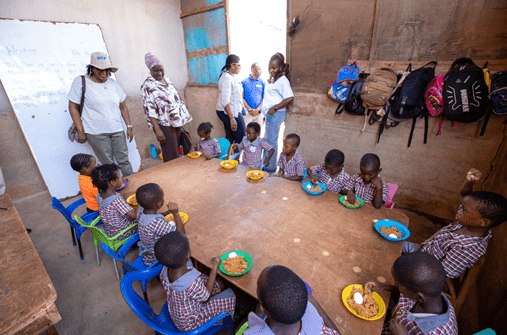

A simple, nutritious meal served during the school day is proving to be a powerful catalyst for change in Northern Ghana. A United States-funded initiative led by the World Food Programme (WFP) is currently keeping 60,000 children in the classroom, demonstrating that targeted intervention can simultaneously cure classroom hunger, boost health, and stimulate local economies.
The impact of the program goes far beyond filling empty stomachs. By removing the daily financial burden of feeding their children, low-income parents are incentivized to keep them in school—particularly girls. The results are striking: at Tamale’s Oxford Grammar Academy, for instance, the guarantee of a daily meal caused student enrollment to nearly triple, jumping from 175 to 445. Furthermore, schools like Harvest Community School have reported a sharp decline in childhood illnesses, such as diarrhea, thanks to the replacement of unregulated street food with structured, hygienic meals.
Equally significant is the program’s economic footprint. By sourcing ingredients directly from local smallholder farmers and hiring community caterers, the initiative has created a reliable, localized market. This predictable demand is stabilizing farmer incomes, reducing post-harvest losses, and fueling small retail businesses.
However, with the current funding cycle set to conclude in June 2026, the focus is rapidly shifting toward sustainability. The National Coordinator of the Ghana School Feeding Programme (GSFP), Hajia Fati Forgor, indicated that the success of this model will inform national policy, potentially paving the way for state-backed feeding in low-fee private schools across the country.
In the meantime, local communities are already taking ownership of their future. At Savior Academy in Gambaga, school leaders are bypassing the wait for external aid by mobilizing parents and community figures to independently self-fund and sustain the daily meal deliveries, ensuring their children’s education remains uninterrupted.