





In a monumental stride towards economic rejuvenation, Ghana has secured a hefty $360 million financing package from the World Bank.
This much-needed cash injection, approved by the World Bank Board of Executive Directors, is poised to breathe new life into the West African nation’s struggling economy, which has been battered by global crises and internal woes.
The funds, earmarked for the Second Resilient Recovery Development Policy Financing operation, are not just a handout; they’re a strategic investment designed to yank Ghana back from the brink.
The core mission? To whip fiscal discipline back into shape, reignite the flames of investor confidence, and turbocharge private sector-led growth.
This isn’t a one-off fix. This new operation is a critical piece of the World Bank’s grand strategy to help Ghana not only weather its current storm but also build formidable resilience for the future.
The plan of attack is four-fold:
* Restoring fiscal sustainability: Getting Ghana’s finances back in order.
* Bolstering financial sector stability and private sector development: Making it easier for businesses to thrive and money to flow.
* Improving energy sector financial discipline: Fixing the power sector’s long-standing money problems.
* Fortifying social and climate resilience: Protecting the most vulnerable citizens and preparing for climate change impacts.
Robert Taliercio, the no-nonsense Division Director for Ghana, Liberia, and Sierra Leone at the World Bank, didn’t mince words.
“Entrenching fiscal and debt sustainability, improving the business environment to attract investment and create jobs, addressing the long-rooted energy sector challenges, and protecting the most vulnerable—measures supported by this financing—continue to be urgent priorities for Ghana,” he declared.
He stressed that these steps are “essential” for Ghana to revitalize its domestic private sector, build resilience against climate change, and uplift the lives of its people.
The World Bank, he affirmed, is committed to supporting Ghana in accelerating these crucial reforms.
This financial boost couldn’t have come at a better time. Ghana is working tirelessly to rebuild trust among investors and its international partners.
The Ministry of Finance has already rolled out a series of reforms, hand-in-hand with its International Monetary Fund (IMF) program and Development Policy Operations (DPO) series. And guess what? It’s already paying off, stabilizing the economy and laying the groundwork for renewed growth.
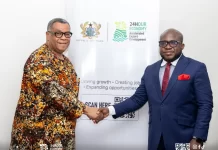
Dr. Cassiel Ato Forson, Ghana’s Minister of Finance, was quick to laud the World Bank’s support, calling it a “testament” to the government’s unwavering commitment to fiscal discipline and an inclusive recovery.
“The successful implementation of reform actions under the IMF program and the Development Policy Operations series has strengthened macroeconomic stability, restored investor confidence, and laid a solid foundation for sustained economic recovery and inclusive growth,” Dr. Forson asserted.
He expressed confidence that the DPO-backed measures would bolster efforts to enhance fiscal discipline and build an economy resilient enough to withstand future shocks.
A significant chunk of the World Bank’s moolah will be channeled into supercharging domestic revenue collection and cultivating a fertile ground for private investment.
By stabilizing the financial sector, Ghana aims to unlock more credit and capital, especially for the backbone of its economy: small and medium enterprises.
The reforms are also set to tackle the notorious inefficiencies plaguing the energy sector, which have long been a drain on public funds and a drag on competitiveness.
Cleaner, more efficient energy operations are expected to ease fiscal burdens and ensure a reliable power supply for homes and industries alike.
Beyond the big-picture economic reforms, the financing package will also directly aid Ghana’s most vulnerable citizens.
With climate change looming large, the program will weave climate considerations into public policy, safeguarding livelihoods and infrastructure.
This commitment extends to social protection measures designed to cushion low-income households from the pinch of economic adjustments.
As these reforms take hold, Ghana is charting a course towards sustainable prosperity. With strong leadership, unwavering policy commitment, and the backing of global partners, the nation is laying the foundation for a future defined by stability, opportunity, and resilience.
The coming months will be pivotal. Ghana must now translate this support into tangible improvements in its financial health, energy efficiency, private sector vibrancy, and social safety nets.
If successful, this ambitious endeavor could serve as a powerful blueprint for other African nations grappling with similar economic headwinds.