













For generations, farmers in northern Ghana have been at the mercy of the weather, bound to a compressed rainy season that often leads to seasonal unemployment and forces many to migrate to cities in search of work. Now, a GH¢8 million, Canada-backed initiative is rewriting that narrative.
Through the GROW 2 programme, 25 solar-powered boreholes are being installed across five northern regions. The facilities are not just pieces of infrastructure; Canadian High Commissioner Myriam Montrat calls them “engines of transformation.”
At the project’s launch in Moglaa, Agriculture Minister Eric Opoku highlighted how the environmentally friendly water systems will break the cycle of reliance on erratic rainfall, allowing for continuous vegetable production.
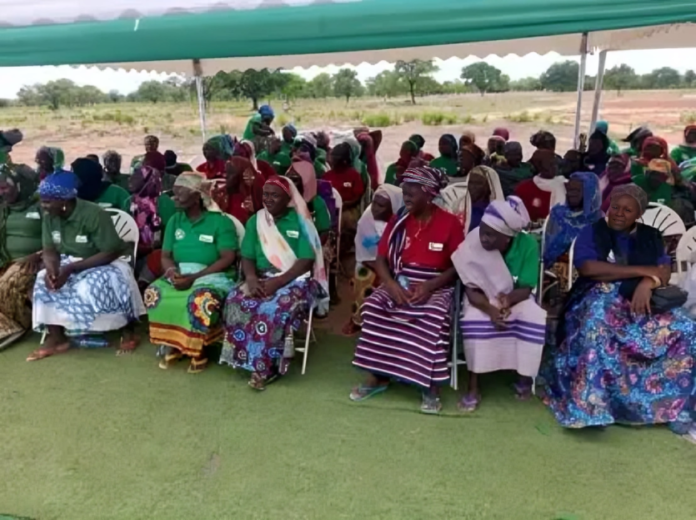
Crucially, the project targets the structural inequalities that hold rural women back. Women are the backbone of vegetable production in the region, yet they frequently lack access to land, capital, and irrigation. By linking these new water sources to Savings and Loans Groups, over 3,000 women will gain both the tools to farm and the financial scaffolding to scale their operations.
Because the boreholes run on solar energy, farmers are shielded from volatile fuel prices, keeping operational costs low. As these communities gain the ability to grow food and generate income year-round, the project stands as a vital step toward building climate resilience, ensuring food security, and keeping families rooted in their home communities.