













The business community is speaking again, and this time the message is louder than the horns stuck in traffic in Tema.
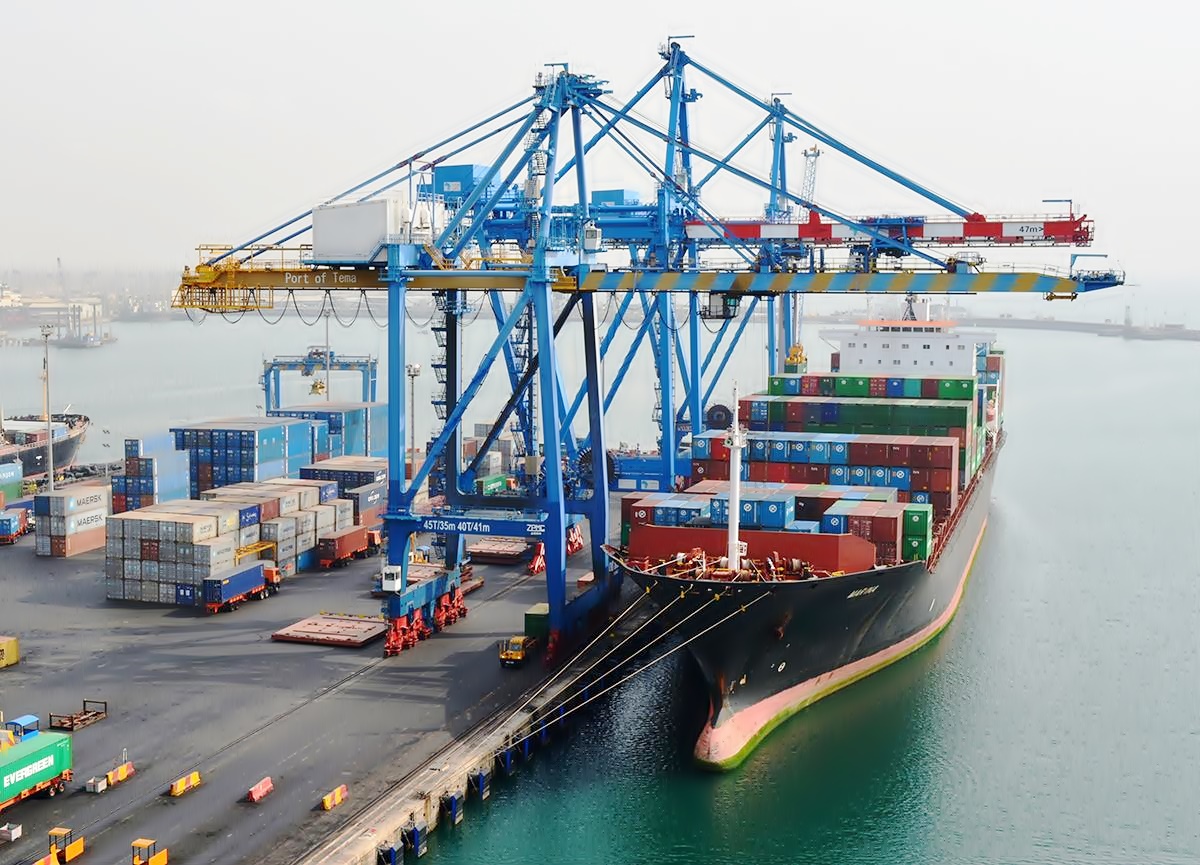
Container congestion at the Port of Tema has reached a point where it is no longer a port problem.
It has become a city problem, a health problem, a business problem, and ultimately, a national competitiveness problem (See front page).
Freight forwarders and businesses that depend on the port are decrying a situation where congestion inside the port has spilled onto the roads of the port city, with every delay adding to the cost of doing business.
Tema is Ghana’s industrial and logistics nerve centre.
It hosts the country’s biggest port, which handles over 70 per cent of national cargo traffic, the Tema Industrial Area, and major health facilities, including the International Maritime Hospital in Community 3 and the Tema General Hospital in Community 9.
When containers are stacked beyond capacity and trucks queue for kilometres outside the terminal, the entire ecosystem chokes.
Let us be clear about the chain of damage.
First, there is the direct cost to businesses.
Port activities are time-sensitive.
Shipping lines charge demurrage when containers overstay beyond the free days.
Transporters burn more fuel idling in traffic. Importers pay higher haulage because a truck that could do three trips a day now does only one.
Exporters miss vessel closing times because their containers cannot enter the port.
For small businesses that operate on thin margins and just-in-time inventory, a two-day delay can wipe out a month’s profit.
Second, there is the cost to productivity.
Commercial drivers are losing productive hours.
Workers arrive late. In economic terms, Ghana is losing man-hours that can never be recovered.
Third, and most worrying, is the risk to life.
When traffic congestion locks up the corridor around Tema, emergency vehicles cannot move.
In an emergency, minutes are the difference between life and death.
We cannot afford to learn this lesson from a tragedy.
Container congestion at Tema is not new, but it has become perennial because of structural issues we have failed to fix.
Yard capacity and container dwell time; uncoordinated truck arrivals; limited evacuation and decongestion mechanisms; and road infrastructure and traffic management have brought us here.
What must be done, and urgently?
The Ghana Ports and Harbours Authority (GPHA), the Customs Division of the Ghana Revenue Authority, Meridian Port Services (MPS) and the entire port community must treat this as an emergency.
The port authorities must enforce a strict truck appointment and call-up system. No truck should be allowed to enter the Tema Port enclave without a scheduled appointment tied to a specific container.
Also, the electronic truck booking systems piloted elsewhere must be fully enforced. Trucks should be held at designated truck parks outside the city and called in only when their containers are ready.
The Tema Metropolitan Assembly, the Ghana Police Service and GPHA must create and strictly enforce dedicated lanes for emergency vehicles and keep intersections free. No container truck should be allowed to block access to hospitals.
Government must complete truck parks and expand port access roads, including the Tema Motorway interchange improvements and alternative evacuation routes for cargo to avoid driving through residential Communities 3, 6 and 9.
In the long term, Ghana must accelerate the Boankra Integrated Logistics Terminal and other inland container depots to pull containers out of Tema faster by rail and dedicated haulage.
Tema Port is the gateway to Ghana’s economy. When it sneezes, the whole economy catches a cold, and the consumer pays for the medicine through higher prices.
Container congestion cannot be dismissed as normal port congestion, as some have suggested. Normalising dysfunction is how crises become disasters.
We call on the Ministry of Transport, Ministry of Finance, GPHA and all stakeholders to convene an emergency decongestion meeting this week, not next month.
The trucks must move.
The containers must move. And Ghana’s economy must not be held hostage on the roads of Tema.
graphic.com.gh