

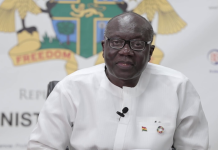












In a move aimed at promoting voluntary tax compliance and strengthening public confidence in the country’s tax system, Minister of Finance Dr. Cassiel Ato Forson and his Deputy, Thomas Nyarko Ampem, publicly filed their annual tax returns.
Dr. Forson said the decision to make their filings public was intended to demonstrate leadership by example. “Leadership must be demonstrated, not declared,” he noted.
He commended Ghanaian taxpayers for their continued contribution to national development, stressing that tax compliance remains both a civic obligation and moral responsibility.
Revenue mobilised through taxation forms the backbone of good governance and financing essential public services – including education, healthcare, infrastructure and security.
Dr. Forson encouraged individuals and businesses yet to file their returns to do so promptly, emphasising that building a strong tax culture is critical to achieving a stable and prosperous Ghana.
He also praised Ghana Revenue Authority (GRA) for its ongoing initiatives under the Tax and Good Governance Month, urging the Authority to intensify public education and sustain reforms aimed at simplifying tax filing and payment processes.
The public filing comes as part of broader efforts by government to deepen transparency, enhance revenue mobilisation and improve voluntary compliance across the tax net.
The Ghana Revenue Authority (GRA) tax filing month is April. Annual tax returns, including Personal Income Tax (PIT) and Corporate Income Tax (CIT) for the previous year, must be filed by April 30th.
The Authority ran tax filing campaigns across all the sixteen regions in its quest to encourage and deepen compliance, designating April as ‘Tax and Good Governance Month’.
Ghana’s tax laws not only require the payment of taxes on income, property and purchases, but also require certain compliance obligations on the part of taxpayers.
Low tax compliance continues to pose a major challenge for policymakers in, particularly, sub-Saharan Africa due to widespread informal economies, narrow tax bases, limited enforcement capacity of tax authorities and perceptions that the tax system is unfair.
thebftonline