












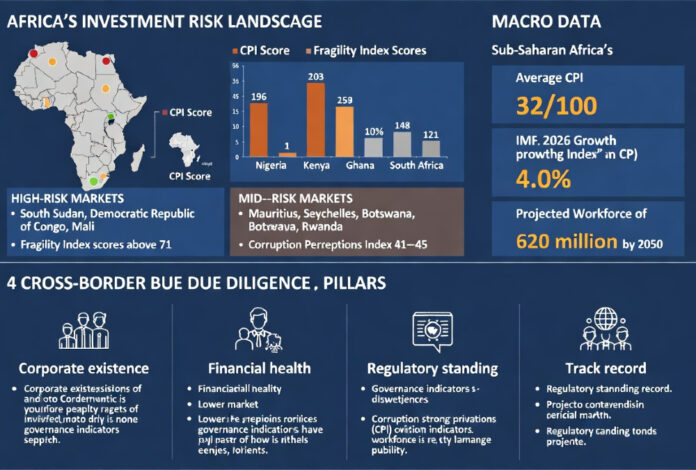

African markets are entering one of the most complex macro junctions of 2026. What makes this moment different is not any single shock, but the convergence of three structurally significant forces: a diplomatic rupture in South Africa, a strategic trade pivot led by China, and a supply-side shift from OPEC+ that directly challenges fiscal assumptions across oil exporters.
Individually, each of these developments would demand careful policy navigation. Together, they create a layered risk environment that African sovereigns can no longer treat as temporary volatility.
The South Africa shock is no longer abstract
The escalation of diplomatic tensions in South Africa now marked by the organization of repatriation flights signals a transition from rhetoric to real economic disruption. Capital is highly sensitive to political stability, but even more so to signals of institutional fracture and international isolation.
South Africa is not just another African economy; it is a financial gateway. Any sustained instability introduces contagion risks across regional capital markets, currency sentiment, and portfolio flows. Investors are unlikely to ringfence the country neatly risk premiums tend to spill over.
China is quietly rewriting Africa’s trade map
At the same time, China’s decision to extend tariff-free access to 53 African countries is not a gesture, it is strategy. It effectively redraws trade incentives at a moment when ties between Africa and the United States are visibly weakening.
This shift creates a dual-speed trade architecture. Countries that can rapidly align their export capacity to Chinese demand will gain. Those structurally tied to Western markets may find themselves in a slower lane, exposed to declining preferential access and shifting geopolitical priorities.
The implication is clear: Africa is no longer navigating globalization it is navigating fragmentation.
OPEC+ is testing oil-dependent fiscal models
Then comes the third pressure point. OPEC+’s planned output increase of 188,000 barrels per day in June introduces downside risk to oil prices just as many African producers are relying on optimistic revenue projections.
The divergence within oil exporters is stark.
Nigeria, benefiting from geopolitical risk premiums linked to tensions involving Iran, has a temporary cushion. But this is not structural strength it is opportunistic pricing.
Angola, by contrast, faces a more precarious reality: declining production capacity paired with significant 2026 debt repayment obligations. Lower prices combined with lower output is the most dangerous combination for any commodity-dependent sovereign.
Convergence is the real risk
What makes this week particularly important is not just the presence of these risks but their interaction.
- Diplomatic instability raises risk premiums
- Trade realignment reshapes growth pathways
- Oil market shifts pressure fiscal balances
Together, they tighten financial conditions at a time when many African economies are still stabilizing post-restructuring and re-entering global capital markets.
This is not a crisis moment but it is a pricing moment.
Markets will begin to differentiate more aggressively between African sovereigns. Countries with credible fiscal anchors, diversified trade exposure, and political stability will be rewarded. Those without will see spreads widen, currencies weaken, and refinancing risks intensify.
The takeaway
Africa’s macro story in 2026 has largely been one of recovery and cautious optimism. But this week is a reminder that recovery is not immunity.
The global environment is shifting again and this time, African markets are not just reacting to external shocks. They are being reshaped by them.
The question is no longer whether risks exist. It is whether policymakers are moving fast enough to stay ahead of their convergence.
lordfiifiquayle