













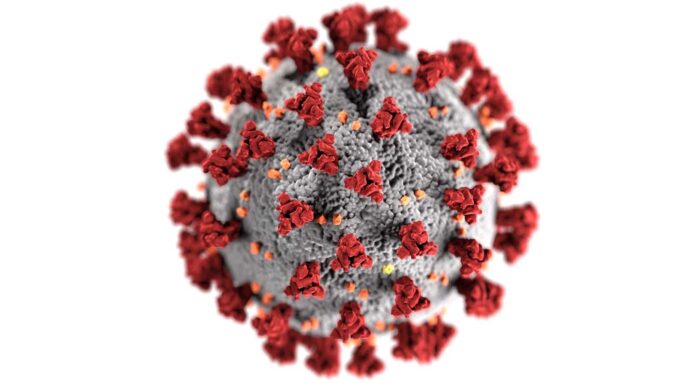

The global pandemic that once brought the world to its knees seems, in many places, to have faded into the background. COVID-19, once a household name sparking fear, emergency measures, and worldwide lockdowns, has gradually become part of everyday life.
Yet, while the virus may have been pushed out of the daily headlines, it has not disappeared. In fact, recent developments in Ghana remind us that the pandemic’s shadow still lingers.
Recent reports indicate a resurgence of COVID-19 in Ghana, particularly at the University of Ghana, Legon. The University’s Health Services Directorate has issued an alert, warning students, staff, and visitors of both suspected and confirmed cases within the community.
The announcement urged heightened caution and preventive measures, stressing that complacency could lead to further spread on campus and beyond.
Despite this alert, the wider national conversation about COVID-19 remains muted. Many Ghanaians are unaware of these new developments, reflecting how far the virus has fallen from the center of public attention.
In response to growing concerns, Ghana’s Minister of Health, Hon. Kwabena Mintah Akandoh, reassured the public that the rise in cases is not caused by a new strain of the virus.
Instead, it stems from a familiar sub-variant of Omicron, a strain the country has encountered and managed in the past. According to him, Ghana’s health system is adequately equipped to handle this resurgence without resorting to drastic nationwide restrictions.
The Minister’s reassurance echoes the global shift in how COVID-19 is now understood and managed, not as an unknown enemy, but as an endemic virus requiring monitoring, testing, and targeted responses rather than wholesale panic.
Across the world, COVID-19 has moved from a global emergency to an endemic reality. This means the virus continues to exist, sometimes flaring up, but largely coexisting with human society in a more predictable way much like the flu.
Vaccination programs, improved healthcare protocols, and the population’s increasing immunity have all contributed to making COVID-19 less disruptive.
However, public complacency can be dangerous. Health experts caution that while the virus may no longer cause large-scale devastation, its mutations and sub-variants can still pose risks, especially for vulnerable groups such as the elderly and those with underlying conditions.
In Ghana, the most pressing issue may not be the virus itself, but the lack of awareness and public engagement. With most citizens treating COVID-19 as a matter of the past, the resurgence has slipped under the radar. This silence around the virus could delay early detection and preventive measures, leaving room for potential outbreaks in pockets of society.
So, what is the state of COVID-19 in Ghana today? The virus is still present, though not as disruptive as in its early days. The resurgence at the University of Ghana is a timely reminder that while the world may have learned to live with COVID-19, vigilance remains important.
Public education, personal responsibility, and adherence to basic safety protocols, such as hand hygiene and mask-wearing in crowded places are still relevant tools in controlling the spread.
COVID-19 is no longer the monster at the gate. But it remains a guest in the house, sometimes quiet, sometimes disruptive. Where Ghana stands today is at a crossroads: to either keep ignoring its presence until another crisis strikes, or to treat the virus as part of our everyday health landscape, requiring attention but not fear.
By Nadom Amoah